


Ozempic vs Bariatric Surgery: In recent years, the quest for effective weight loss solutions has led to increasing interest in both Ozempic and bariatric surgery. Each option presents unique benefits and challenges, making it essential for you to understand how they differ, their effectiveness, and what might be the best fit for your personal health goals. In this section, we will delve into an overview of both treatments, providing a foundation for the comparisons that will follow.
Ozempic, a medication primarily used for managing type 2 diabetes, has gained popularity for its weight loss properties. The active ingredient, semaglutide, mimics the effects of a hormone that regulates appetite and glucose levels, helping you feel fuller for longer periods. This can lead to significant weight reduction in individuals struggling with obesity. However, while Ozempic can be effective for many, it is not a one-size-fits-all solution and may require long-term use.
On the other hand, bariatric surgery refers to a series of surgical procedures aimed at helping individuals lose weight by altering the digestive system. Various types of surgeries exist, including gastric bypass, sleeve gastrectomy, and adjustable gastric banding. These procedures can lead to dramatic weight loss but come with their own set of risks and lifestyle adjustments that you should be prepared for.
In summary, both Ozempic and bariatric surgery offer viable paths toward weight loss but cater to different needs and circumstances. Understanding the nuances of each option allows you to make an informed choice tailored to your unique situation.
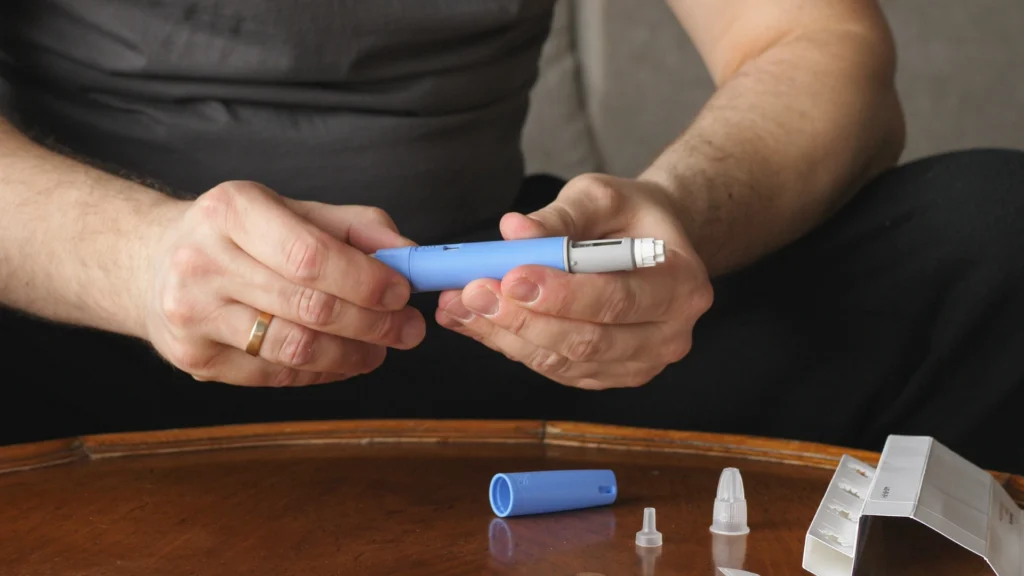
Ozempic and bariatric surgery are both effective options for weight loss, but they differ significantly in their approach and suitability. Ozempic, a medication containing semaglutide, works by reducing appetite and helping the body regulate blood sugar. It is typically used as part of a comprehensive weight management plan and can be an option for those who prefer a non-surgical approach. Ozempic is administered as a weekly injection and may result in gradual weight loss, with patients needing to maintain a healthy diet and exercise regimen for optimal results.
On the other hand, bariatric surgery involves permanent surgical alterations to the digestive system, such as gastric sleeve or gastric bypass, to restrict food intake or reduce nutrient absorption. Bariatric surgery offers more significant, faster weight loss results and is generally recommended for individuals with severe obesity or obesity-related health conditions. While both options can lead to weight loss, bariatric surgery may have more dramatic and lasting results but comes with greater risks and a longer recovery time. The choice between Ozempic and bariatric surgery depends on factors such as health status, weight loss goals, and personal preferences, with guidance from a healthcare provider.
Ozempic for Weight Loss
Ozempic, a medication originally used to manage type 2 diabetes, has gained attention as a potential treatment for weight loss. The active ingredient, semaglutide, works by mimicking a hormone that regulates blood sugar and appetite. It helps individuals feel fuller for longer, reducing overall calorie intake and promoting weight loss. Ozempic is administered as a once-weekly injection and has shown promising results in clinical trials, with many users experiencing significant weight loss. However, it is important to note that Ozempic is typically prescribed as part of a comprehensive weight management plan that includes a healthy diet and regular exercise. As with any medication, it should be used under the supervision of a healthcare provider, who will assess its suitability based on individual health needs and goals.
Bariatric Surgery Options
Bariatric surgery offers several options for individuals struggling with obesity and related health conditions. The most common procedures include gastric sleeve, gastric bypass, adjustable gastric band, and duodenal switch. Gastric sleeve surgery involves removing a large portion of the stomach, leaving a small, sleeve-shaped stomach that limits food intake. Gastric bypass surgery creates a small stomach pouch and reroutes the small intestine, reducing calorie absorption and food intake. The adjustable gastric band involves placing a band around the stomach to limit its size, while the duodenal switch combines a sleeve gastrectomy with intestinal rerouting for more significant weight loss. Each procedure has its advantages and potential risks, and the choice of surgery depends on the patient’s health, weight loss goals, and lifestyle. A consultation with a qualified surgeon is essential to determine the most suitable option.
The Science Behind Ozempic: How Does It Work?
Ozempic works through a mechanism that mimics the glucagon-like peptide-1 (GLP-1), a hormone your body produces in response to food intake. This hormone plays a crucial role in regulating appetite and glucose metabolism. When you take Ozempic, it helps to slow down gastric emptying, which means food stays in your stomach longer, making you feel fuller after eating smaller portions. Consequently, this can lead to fewer calories consumed over time, promoting weight loss.
Additionally, Ozempic positively influences insulin secretion in response to meals. This is particularly beneficial for people with type 2 diabetes, as it helps regulate blood sugar levels. As you lose weight and improve your metabolic health, you may find that your overall wellbeing enhances, potentially reducing the need for other medications. However, it is essential to note that while Ozempic can facilitate significant weight loss, it may not provide sustainable results for everyone.
Moreover, the side effects of Ozempic should not be overlooked. Common adverse reactions include gastrointestinal issues such as nausea, vomiting, and diarrhoea. In some cases, more severe complications can arise, leading to a need for close monitoring by healthcare professionals. Therefore, understanding the full scope of how Ozempic works will help you weigh its benefits against potential drawbacks.
Bariatric Surgery Procedures
Bariatric surgery encompasses a variety of surgical techniques designed to assist with weight loss. The most common procedures include gastric bypass, sleeve gastrectomy, and adjustable gastric banding. Each method has unique features, recovery processes, and long-term outcomes, making it crucial for you to consider which one aligns best with your lifestyle and weight loss goals.
- Gastric Bypass: This procedure involves creating a small pouch at the top of the stomach and rerouting the small intestine to this pouch. This not only restricts the amount of food you can consume but also reduces calorie absorption. Gastric bypass is often considered one of the most effective surgeries for long-term weight loss.
- Sleeve Gastrectomy: In this method, approximately 80% of the stomach is removed, resulting in a tube-like structure. This significantly reduces your stomach’s capacity, leading to reduced food intake and hormonal changes that promote weight loss. Many patients find this procedure less invasive compared to gastric bypass.
- Adjustable Gastric Banding: This procedure involves placing a band around the upper part of the stomach to create a small pouch. The band can be adjusted over time to modify the size of the opening, allowing for flexibility as you lose weight. While it is less invasive, it may not lead to the same level of weight loss as the other methods.
Understanding the different types of bariatric surgery is vital in determining which procedure might suit you best. Each option comes with its own set of considerations, including recovery time, potential complications, and lifestyle changes post-surgery.
When evaluating Ozempic and bariatric surgery, one of the most critical aspects to consider is the effectiveness of weight loss results. While both methods can lead to substantial weight loss, the extent and sustainability of that weight loss can vary significantly between the two.
Studies indicate that individuals who undergo bariatric surgery can lose between 50% to 70% of their excess weight within the first two years post-surgery. This dramatic loss is often attributed to both the physical changes made to the digestive system and the lifestyle modifications that accompany the surgical intervention. However, maintaining that weight loss requires ongoing commitment to dietary changes and regular exercise.
In contrast, Ozempic users have reported an average weight loss of around 5% to 15% of their body weight over several months of treatment. While this is a significant reduction, it may not match the results seen in surgical patients. Additionally, the weight loss with Ozempic may plateau after a certain period, necessitating ongoing use of the medication to maintain results.
Ultimately, the choice between Ozempic and bariatric surgery may come down to personal preferences, medical history, and long-term weight management goals. Understanding the potential outcomes allows you to align your expectations with what each option can realistically offer.
Safety Considerations: Side Effects and Risks
As with any medical treatment, both Ozempic and bariatric surgery carry risks and potential side effects. It is crucial to be well-informed about these factors before making a decision, as they can significantly impact your health journey.
Ozempic Side Effects: Common side effects of Ozempic include nausea, vomiting, and gastrointestinal discomfort. These symptoms can range from mild to severe and may lead some individuals to discontinue the medication. Additionally, there are risks of more serious complications, such as pancreatitis and kidney problems. Regular check-ins with your healthcare provider are essential to monitor any adverse effects.
Bariatric Surgery Risks: The risks associated with bariatric surgery can be more significant due to the invasive nature of the procedures. Complications may include infections, blood clots, and adverse reactions to anaesthesia. Furthermore, long-term risks such as nutritional deficiencies and bowel obstruction can arise, necessitating lifelong follow-up care and dietary adjustments.
When weighing your options, it is essential to consider how each treatment’s risks align with your personal health profile. Consulting with a medical professional can provide you with tailored advice that takes into account your medical history, lifestyle, and weight loss goals.
Long-Term Effectiveness: Which Option Offers Sustainable Weight Loss?
Long-term effectiveness is a paramount concern for anyone considering weight loss options. While both Ozempic and bariatric surgery can lead to successful outcomes, their sustainability over time can differ considerably.
Bariatric surgery is often seen as a more permanent solution to obesity. Many patients experience significant weight loss and maintain that reduction for years, provided they adhere to lifestyle changes and follow-up care. The surgical alteration of the digestive system can lead to hormonal changes that promote ongoing weight management. However, it is essential to remain vigilant and committed to a healthy lifestyle to avoid regaining weight.
On the other hand, the long-term effectiveness of Ozempic can be more variable. While the medication can lead to weight loss, its effectiveness may diminish over time. Some individuals may find they need to increase their dosage or combine it with other treatments to sustain results. Additionally, once the medication is stopped, there is a risk of regaining the weight lost, which can be disheartening for many.
In conclusion, the choice between Ozempic and bariatric surgery should take into account not only immediate weight loss goals but also long-term sustainability. Understanding these dynamics will empower you to make a decision that aligns with your health aspirations.
Lifestyle Changes: What to Expect with Each Treatment
Embarking on a weight loss journey involves significant lifestyle changes, regardless of whether you choose Ozempic or bariatric surgery. However, the nature and extent of these changes can vary substantially between the two options.
When taking Ozempic, you can expect to make dietary adjustments to complement the weight loss process. The medication may alter your appetite, making it easier to adopt healthier eating habits. However, it is crucial to maintain a balanced diet rich in nutrients to support overall health. Regular physical activity is also essential to enhance weight loss results and maintain a healthy lifestyle.
In contrast, bariatric surgery necessitates more profound lifestyle changes. After surgery, you will need to adhere to a strict diet during the recovery phase, gradually transitioning to a long-term eating plan that emphasises smaller portion sizes and nutrient-dense foods. Additionally, you will need to commit to regular physical activity to maximise your weight loss and maintain your new weight.
Both options require a willingness to adapt and a commitment to sustainable changes. The success of either path significantly relies on your readiness to embrace a healthier lifestyle, making this an essential consideration in your decision-making process.
Weight Regain After Bariatric Surgery
Weight regain after bariatric surgery is a common concern, though it can be managed with proper care and lifestyle adjustments. While most patients experience significant weight loss in the first year following surgery, some may regain weight over time due to various factors. These can include changes in eating habits, emotional eating, lack of physical activity, or the stomach stretching over time, allowing for larger portions. In some cases, hormonal changes may also play a role in weight regain. To prevent this, it’s important to maintain a healthy diet, exercise regularly, and attend follow-up appointments with healthcare providers. Psychological support, such as counseling, can also be beneficial for addressing any emotional factors contributing to overeating. With the right commitment, many individuals are able to maintain long-term success and prevent substantial weight regain after bariatric surgery.
Cost Comparison: Financial Implications of Ozempic and Bariatric Surgery
When evaluating your options for weight loss, financial considerations are paramount. Both Ozempic and bariatric surgery have distinct cost implications that you should take into account.
Ozempic Costs: The price of Ozempic can vary depending on your insurance coverage and location. Without insurance, the monthly cost can be substantial, potentially reaching hundreds of pounds. If you are prescribed the medication long-term, this can add up significantly over time. It’s essential to consult with your healthcare provider and insurance company to understand potential costs and coverage options.
Bariatric Surgery Costs: Bariatric surgery typically involves a one-time cost that can be considerably higher than ongoing medication expenses. The total cost can range from several thousand to tens of thousands of pounds, depending on the type of surgery, hospital fees, and post-operative care. While many insurance plans cover bariatric surgery, the approval process can be lengthy, and not all plans include comprehensive coverage.
In summary, the financial implications of both Ozempic and bariatric surgery are substantial and merit careful consideration. Assessing your budget and potential insurance coverage will help you make a well-informed decision that aligns with your financial situation.
Eligibility Criteria: Who Qualifies for Each Option?
Determining your eligibility for Ozempic or bariatric surgery involves meeting specific criteria that vary by treatment. Understanding these requirements is essential to ensure you pursue the most suitable option for your needs.
Ozempic Eligibility: Generally, Ozempic is prescribed for adults with type 2 diabetes and a body mass index (BMI) of 27 or higher. However, it may also be suitable for individuals without diabetes who are seeking weight loss support. Your healthcare provider will evaluate your medical history, current health status, and weight loss goals to determine if Ozempic is an appropriate option for you.
Bariatric Surgery Eligibility: The criteria for bariatric surgery are more stringent. Typically, candidates must have a BMI of 40 or higher or a BMI of 35 or higher with obesity-related health conditions, such as hypertension or diabetes. Additionally, candidates should demonstrate a commitment to lifestyle changes and be prepared for the psychological aspects of surgery.
Understanding the eligibility criteria for each option is vital in guiding your decision-making process. Consulting with a healthcare professional can provide clarity on which treatment aligns best with your health profile.
Combining Treatments: Can You Take Ozempic After Gastric Bypass?
Combining treatments can sometimes enhance weight loss results, leading to the question: Can you take Ozempic after gastric bypass? The answer largely depends on individual circumstances and should be discussed with your healthcare provider.
After undergoing gastric bypass surgery, many patients experience significant weight loss, but some may find that they plateau or struggle to maintain their results over time. In such cases, Ozempic may be considered as an adjunct treatment to assist with further weight loss or to maintain the weight loss achieved post-surgery.
However, it is vital to approach this combination carefully. Your healthcare provider will assess your medical history, current health status, and potential interactions between the medication and your post-operative physiology. Regular monitoring and adjustments may be necessary to ensure that you achieve your weight loss goals safely and effectively.
In summary, while combining Ozempic with gastric bypass surgery may be an option for some, it must be approached with caution and under professional guidance.
Making an Informed Decision: Factors to Consider
Making an informed decision between Ozempic and bariatric surgery involves weighing various factors, including your health status, weight loss goals, lifestyle, and financial implications. Taking the time to evaluate these elements will empower you to choose the most suitable option for your unique circumstances.
Consider your long-term weight loss goals. Are you seeking a temporary solution or a more permanent change? If you prefer a long-term approach, bariatric surgery may be more appropriate, while Ozempic could be suitable for those looking for a medication-assisted option.
Next, reflect on your willingness to make lifestyle changes. Both options require commitment to healthier habits, but the extent of these changes may differ. Assess your readiness to adapt to the dietary and activity requirements associated with each option.
Lastly, consult with healthcare professionals to gather insights tailored to your health profile. Their expertise can guide you in making a decision based on your unique needs, providing clarity on the potential outcomes of each treatment.
The Importance of Professional Guidance
One of the most critical steps in your weight loss journey is seeking professional guidance. Consulting with healthcare providers, including doctors, dietitians, and mental health professionals, can provide you with the comprehensive support you need to navigate your options effectively.
During consultations, be open about your weight loss goals, medical history, and any concerns you may have regarding Ozempic or bariatric surgery. This information will help your healthcare providers tailor their recommendations to your specific situation.
Additionally, support groups can play a vital role in your journey. Connecting with others who have undergone similar experiences can provide encouragement, advice, and shared insights that enhance your understanding of what to expect.
In conclusion, making an informed decision about Ozempic and bariatric surgery requires thorough research and consultation with professionals. Their expertise can help you navigate the complexities of weight loss treatments and empower you to choose the best path for your health and wellbeing.
As you contemplate your options for weight loss, remember that every journey is unique. Whether you choose Ozempic, bariatric surgery, or a combination of both, the key is to find a solution that aligns with your personal health goals and lifestyle. For those interested in exploring medical weight loss options abroad, consider looking into programs that offer comprehensive care and support, such as Travel For Med. They can help you find the right treatment that fits your needs, ensuring a smooth and informed process.
