


What is Physical Medicine and Rehabilitation?
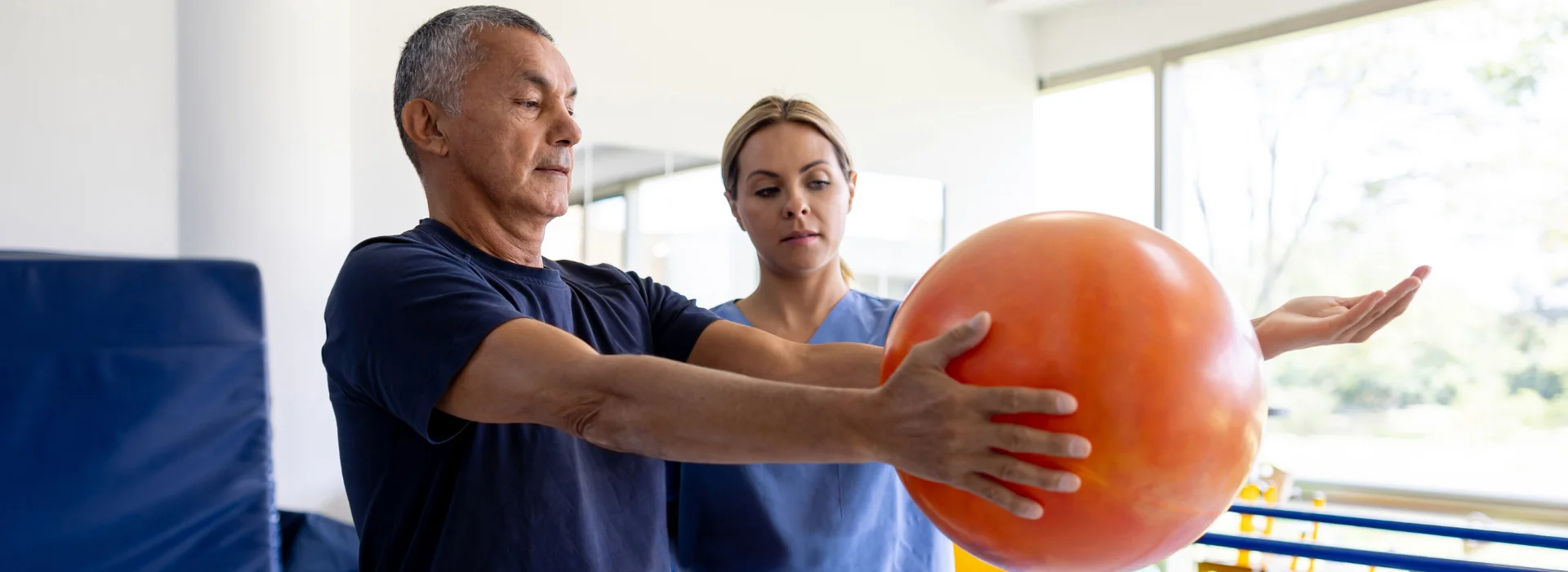
Physical Medicine and Rehabilitation (PM&R) stands as a cornerstone in modern healthcare, offering hope and restoration to those facing physical challenges. This specialized field of medicine goes beyond traditional approaches by focusing on the holistic well-being of patients who have experienced temporary or permanent disabilities due to illness or injury.
At its core, PM&R is dedicated to enhancing the quality of life for individuals by addressing a wide spectrum of physical impairments. Unlike other medical specialties that may concentrate on specific organ systems, PM&R takes a comprehensive view of the patient’s overall functionality. This unique perspective allows practitioners to develop personalized treatment plans that consider not just the physical ailment, but also the patient’s role in society and their desire for independence.
The primary goal of PM&R is to maximize a patient’s ability to interact with their environment and maintain or regain their place in society. This is achieved through a diverse array of therapeutic techniques and interventions. These may include customized exercise programs, the application of heat or cold therapies, electrical stimulation, manual therapies, and innovative technologies designed to improve mobility and function.
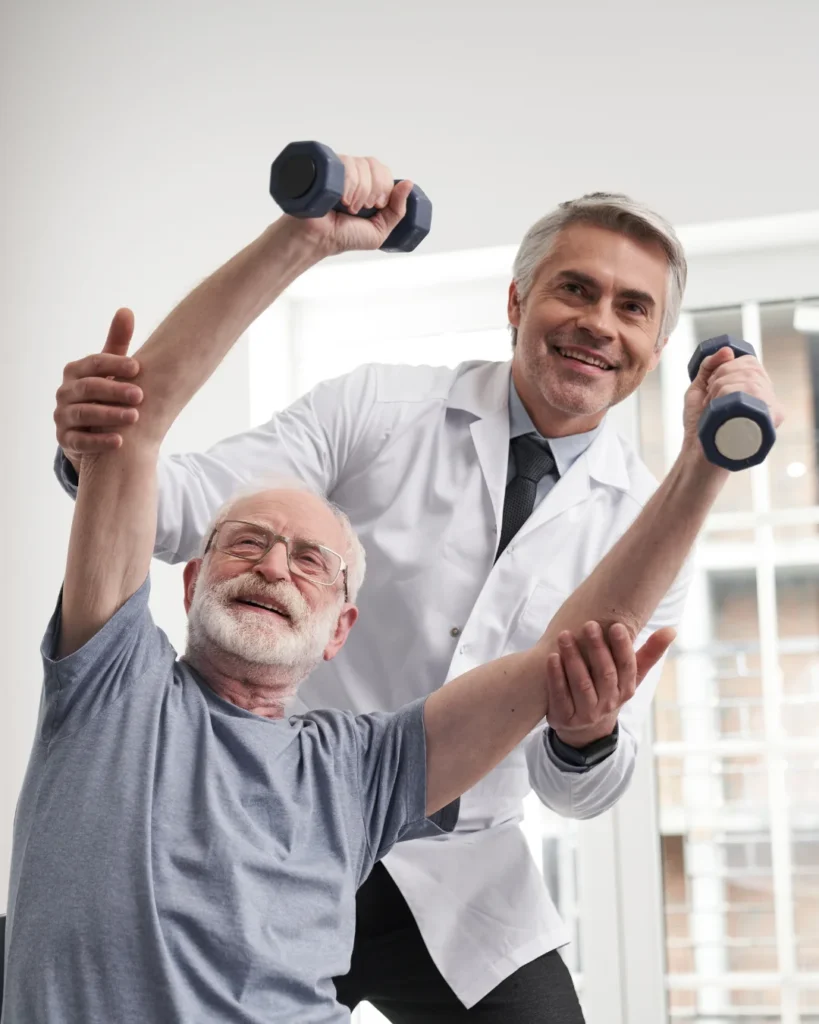
What sets PM&R apart is its patient-centered approach. Rehabilitation specialists work closely with individuals to set realistic goals and create tailored strategies for recovery. This collaborative process empowers patients to take an active role in their healing journey, fostering a sense of control and motivation.
The field of PM&R is constantly evolving, incorporating evidence-based practices to ensure the most effective outcomes. From treating movement disorders to managing chronic pain, PM&R specialists employ a wide range of physical agents and techniques. These may be used in conjunction with other medical treatments or as standalone therapies, depending on the patient’s specific needs and conditions.
Who is Physical Medicine and Rehabilitation intended for?
In our modern era, where medical advancements have significantly extended life expectancy and improved survival rates for once-fatal conditions, Physical Medicine and Rehabilitation (PM&R) has emerged as a crucial field in healthcare. This specialized branch of medicine casts a wide net, offering its services to individuals across all age spectrums and addressing a diverse range of bodily systems.
The scope of PM&R is remarkably inclusive, focusing on restoring and enhancing the functional abilities of people whose lives have been impacted by various physical impairments. These impairments can stem from issues affecting the musculoskeletal system – including bones, muscles, and joints – as well as disorders of both the central and peripheral nervous systems.
What makes PM&R particularly vital in today’s healthcare landscape is its adaptability to the changing demographics and medical outcomes. As more people survive previously life-threatening conditions, they often face new challenges in regaining their quality of life. This is where PM&R steps in, offering tailored rehabilitation programs designed to maximize independence and improve overall well-being.
The field’s comprehensive approach means that it’s not limited to treating specific diseases or age groups. Instead, PM&R specialists work with patients ranging from infants to the elderly, each with their unique set of challenges and goals. Whether it’s helping a child with a congenital disorder, assisting an adult recovering from a stroke, or supporting an elderly person in maintaining mobility, PM&R plays a pivotal role in enhancing functional capabilities and quality of life.
Stages of Physical Medicine and Rehabilitation
Physical Medicine and Rehabilitation is a comprehensive medical discipline aimed at improving patients’ physical functions, mobility, and quality of life. This field not only focuses on treatment after illness or injury but also works to maintain the health of body systems and prevent future complications. The process of Physical Medicine and Rehabilitation is built on a multi-stage approach that begins with accurate diagnosis and continues with a personalized treatment plan. The ultimate goal is to maximize the patient’s independence and enhance their quality of life in a sustainable way.

Assessment and Diagnosis: The rehabilitation process begins with a comprehensive evaluation by a physician specializing in Physical Medicine and Rehabilitation. This stage involves:
- Detailed medical history review.
- Physical examinations to assess mobility, strength, coordination, and pain.
- Diagnostic tests like X-rays, MRIs, or EMGs to identify underlying conditions.
The goal is to understand the patient’s functional limitations and medical needs.

Goal Setting: Once the assessment is complete, personalized rehabilitation goals are set in collaboration with the patient. These goals may include:
- Pain relief.
- Improvement in mobility and function.
- Restoration of daily living activities.
- Enhanced quality of life.

Treatment Planning: A tailored rehabilitation plan is created based on the patient’s specific needs. The plan may include:
- Physical therapy: Exercises to improve strength, flexibility, and endurance.
- Occupational therapy: Activities focused on improving skills needed for daily living and work.
- Speech therapy: For patients with communication or swallowing difficulties.
- Pain management: Using medications, injections, or therapeutic modalities.

Intervention and Rehabilitation: The core of the process involves implementing the treatment plan. This stage focuses on:
- Regular therapeutic sessions to achieve functional goals.
- Use of assistive devices like wheelchairs, orthotics, or prosthetics if needed.
- Education on proper posture, movement techniques, and lifestyle modifications.

Monitoring and Adjustments: The patient’s progress is closely monitored, and the rehabilitation plan is adjusted as needed. Regular evaluations ensure that:
- The treatment remains effective.
- New challenges or changes in the condition are addressed promptly.
- The patient continues progressing toward their goals.

Discharge and Maintenance: Once the patient achieves their goals, they transition to the maintenance stage. This includes:
- A home exercise program to maintain strength and mobility.
- Periodic follow-ups to monitor long-term outcomes.
- Lifestyle advice to prevent relapses or further complications.

Psychosocial and Emotional Support: Throughout the process, emotional and psychological support is integral. Addressing the patient’s mental health and psychosocial needs helps:
- Improve motivation and adherence to the rehabilitation program.
- Enhance overall well-being.
Physical Medicine and Rehabilitation is a holistic process that focuses not only on treating medical conditions but also on restoring function, independence, and quality of life. The interdisciplinary approach ensures that patients receive comprehensive care tailored to their unique needs.

What is the importance of Physical Medicine and Rehabilitation for health?
In the context of improving body functions, rehabilitation programs are implemented to maintain and enhance joint range of motion, strengthen muscles, improve proprioception (awareness of joint position in space), promote muscle relaxation, and improve aerobic fitness through specific exercises.
For example, strengthening and improving proprioception in a sprained ankle of a runner, improving joint range of motion and preventing contractures in a patient with spastic spinal cord injury, or achieving optimal cardiopulmonary fitness in a person who has recently suffered a myocardial infarction can all be accomplished with well-designed rehabilitation programs.
Physical Medicine and Rehabilitation physicians can recommend a variety of assistive and adaptive equipment to enhance independence in daily living activities, ensure optimal safety, and enable movement with less energy expenditure. These assistive technological devices include mobility aids, environmental control devices, wearable smart devices, wheelchairs, orthoses, and prostheses.
Physical Medicine and Rehabilitation not only includes therapeutic interventions but also preventive measures to maintain the health of body systems. Most of these practices are built on a “team approach.” The patient’s physical, functional, emotional, and psychosocial well-being is considered comprehensively during treatment. The primary goal is to maximize quality of life and functional independence.
What are the areas where Physical Medicine and Rehabilitation is applied?
Musculoskeletal System Problems
Physical Medicine and Rehabilitation addresses a wide range of issues affecting the musculoskeletal system, helping restore function and relieve pain. Common conditions include:
- Back and neck pain: Chronic or acute pain caused by poor posture, injuries, or degenerative changes.
- Osteoarthritis: Degenerative joint disease leading to pain, stiffness, and reduced mobility.
- Osteoporosis: A condition characterized by weak and brittle bones, increasing the risk of fractures.
- Rheumatoid arthritis: An autoimmune disorder causing joint inflammation, pain, and deformity.
- Fibromyalgia: A chronic disorder characterized by widespread musculoskeletal pain, fatigue, and sleep disturbances.
- Work-related injuries: Injuries caused by repetitive tasks or prolonged postures at work.
- Overuse injuries: Damage to muscles or joints caused by repetitive motion or excessive activity.
- Sacroiliac joint dysfunction: Pain and mobility issues stemming from the sacroiliac joint.
- Musculoskeletal issues in artists: Problems such as tendinitis or repetitive strain injuries common among performers and artists.
Neurological Rehabilitation
This area focuses on improving the quality of life for patients with neurological conditions by enhancing their mobility, independence, and overall function. Common conditions include:
- Stroke: Recovery of motor skills and functional independence after a cerebrovascular accident.
- Spinal cord injury: Rehabilitation to improve mobility, bladder and bowel control, and quality of life.
- Traumatic brain injury: Restoring cognitive, physical, and emotional function after head trauma.
- Multiple sclerosis (MS): Managing symptoms like muscle weakness, fatigue, and coordination issues.
- Amyotrophic lateral sclerosis (ALS): Improving quality of life and managing muscle weakness.
- Parkinson’s disease: Enhancing mobility, balance, and functional independence.
Pain Management
Chronic pain can severely impact daily life. Physical Medicine and Rehabilitation focuses on reducing pain and improving function in cases such as:
- Chronic pain: Persistent pain that affects daily activities and mental health.
- Complex regional pain syndrome (CRPS): A rare and severe form of chronic pain, usually in a limb, following an injury.
- Spinal pain: Pain in the back or neck due to injuries, degenerative changes, or other conditions.
Orthopedic Rehabilitation, Sports Injuries
This area focuses on restoring strength, flexibility, and function after injuries or surgeries, including:
- Achilles tendinitis: Pain and inflammation of the Achilles tendon due to overuse.
- Iliotibial band syndrome: Pain on the outer side of the knee caused by overuse.
- Medial and lateral epicondylitis: Known as tennis or golfer’s elbow, involving inflammation of tendons around the elbow.
- De Quervain’s tenosynovitis: Inflammation of tendons in the wrist, causing pain during movement.
- Rotator cuff pathology: Shoulder pain and weakness caused by injuries to the rotator cuff tendons.
- Biceps tendinitis: Inflammation of the biceps tendon causing pain and restricted arm movement.
- Stress fractures: Small cracks in bones caused by repetitive force or overuse.
Post-Surgical Rehabilitation
Rehabilitation plays a vital role in recovery after surgeries, helping patients regain strength, mobility, and independence. This includes:
- After spinal surgery: Enhancing mobility and managing pain following spinal procedures.
- After orthopedic surgeries: Recovery after bone, joint, or ligament surgeries.
- After joint replacement surgeries: Restoring joint mobility and strength after hip, knee, or shoulder replacements.
- Cardiac/pulmonary rehabilitation: Improving physical fitness and respiratory function after heart or lung surgery.
- Cancer rehabilitation: Addressing the physical and emotional challenges associated with cancer treatment.
Pelvic Pain and Geriatric Rehabilitation
Rehabilitation programs help address pelvic pain caused by various conditions and improve mobility and quality of life for older adults.
Pediatric Functional and Developmental Disorders
Physical Medicine and Rehabilitation supports children with developmental and functional challenges to maximize their potential. Common conditions include:
- Cerebral palsy: Managing spasticity and improving motor skills in children with neurological disorders.
- Muscular dystrophy: Enhancing mobility and quality of life for children with muscle weakness.
- Spina bifida: Addressing mobility, bladder, and bowel issues in children born with spinal defects.
- Down syndrome: Improving motor skills, balance, and coordination in children with developmental delays.
 Choose Travel For Med?
 Choose Travel For Med?
At Travel For Med, we go beyond facilitating medical treatments—we redefine your healthcare journey. Here’s what sets us apart:

Unrivalled Expertise
Over 20 years of experience in medical tourism.

Comprehensive Solutions
From consultations to travel and post-treatment care, we handle every detail.

Competitive Pricing
High-quality services with a best price guarantee.

24/7 Support
Our dedicated team is always available to assist you.

Accredited Healthcare Network
Accredited Healthcare Network provides certified and reliable medical services worldwide.
About us
Travel For Med offers world-class medical tourism in Turkey with expert care, accredited hospitals & 24/7 support.
Let's keep in touch


Frequently Asked Questıons
Who can benefit from Physical Medicine and Rehabilitation?
PM&R can benefit people of all ages who are dealing with conditions such as musculoskeletal injuries, neurological disorders (e.g., stroke, spinal cord injuries), chronic pain, or those recovering from surgeries like joint replacements or spinal procedures.
What treatments are included in a PM&R program?
A PM&R program may include physical therapy, occupational therapy, pain management, speech therapy, and the use of assistive devices such as prosthetics, orthotics, and wheelchairs. Customized exercise programs and lifestyle modifications are also key components.
How long does the rehabilitation process take?
The duration of rehabilitation varies depending on the individual’s condition, goals, and response to treatment. Some patients may see improvements within weeks, while others may require months or even longer for optimal recovery.
Is Physical Medicine and Rehabilitation only for recovery after injuries?
No, PM&R is not just for injury recovery. It also focuses on managing chronic conditions (e.g., arthritis, fibromyalgia), improving quality of life for people with permanent disabilities, and preventing complications by maintaining overall health and function.
How is a PM&R team structured?
A PM&R team typically includes a physiatrist (PM&R doctor), physical therapists, occupational therapists, speech therapists, and other specialists as needed, such as psychologists or social workers. This multidisciplinary team works together to create and implement a personalized care plan.